"There is huge pressure to offer more and more benefits but it is more important to offer ones that really make a difference to staff"
- Debra Clark - Towergate Employee Benefits
Research from Towergate Employee Benefits shows that employers expect rising demand for support across a wide and expanding range of health and wellbeing needs. Out of 28 specific areas identified in the study, every one was considered important by at least some employers, reflecting the increasingly diverse requirements of today’s workforce.
Mental health was ranked as the top area of growing demand, but employers also highlighted needs ranging from caring responsibilities to neurodiversity. Towergate Employee Benefits says this breadth of demand is creating a challenge for employers that want to provide meaningful benefits while balancing budgets and personalising support.
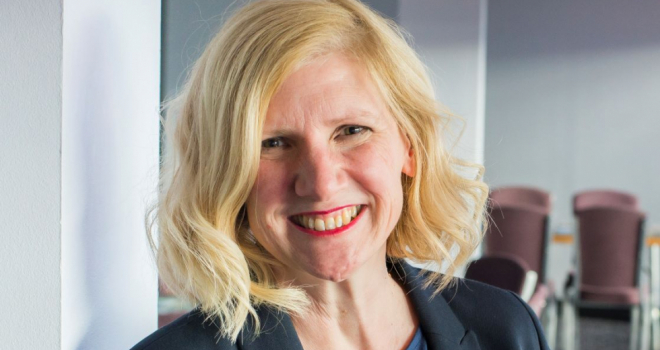
“Workplace health and wellbeing support is evolving at a rate of knots," explained Debra Clark, head of wellbeing at Towergate Employee Benefits (pictured). "Demand is increasing massively, but it is important to bear in mind that the actual support itself is increasing and developing to match this. Some employers may have a challenge in keeping up to speed with what is available and where to find it, but help is available.”
Meeting the demographic
Conducting employee surveys, looking at absence and claims data and understanding the employee demographic will help to give an idea of what support is needed. This may sway towards gender-based, or life-stage support, such as men’s mental health, fertility, eldercare or retirement planning. When employers understand the needs of their specific demographic, they can match the support they offer.
Prioritising support
Some support can target a wide employee demographic, and some may even benefit all, such as fitness apps or trackers, which aim to encourage everyone to live a healthier lifestyle. Access to a virtual GP and health screening are also universally appreciated benefits.
While some support will be of great benefit to some employees, if it is very niche, then it might not be practical to offer it, and it is important to balance the budget. It can be better to pick the vital benefits that will support the majority and really focus on them, and track their impact, rather than try to offer all things to all people and ultimately achieve very little.
Standalone and embedded
There are a range of ways to offer support, including traditional private medical insurance (PMI) and standalone benefits. Employers should, however, also remember the additional support that is often embedded within other benefits, such as cash plans and group risk. By providing group income protection, for example, an employer can also provide help for mental and physical health, as it will often include access to an EAP, and lesser-known options such as second medical opinions, nutrition support, life coaching and bereavement support.
It may also include support for HRs, such as tools to manage and reduce absence and access to legal guidance.
Making sure the business benefits
Any benefits are positive, and employers should make the most of what they have. Auditing benefits to ensure they are the most appropriate options is a good idea, and communicating them will help with engagement and take-up. It is important to remember that benefits and support are not just there for the employee or provided on an entirely altruistic basis; benefits should have a positive impact on the business as well as the employee.
Clark concluded, “There is huge pressure to offer more and more benefits but it is more important to offer ones that really make a difference to staff. Employers would be wise to seek expert advice on the latest benefits offerings and what would work best for their individual company situation and aspirations.”