"If the client ultimately says no, that’s their decision. What matters is that they were given enough information to make an informed choice."
Mortgages have long been identified as a key point at which to introduce the protection conversation to customers, but many advisers find it to be a much more awkward discussion.
AMI’s Protection Viewpoint Report 2026 found that 6 in 10 consumers have never received a protection quote, including 43% of those who have had financial advice.
Within protection conversations, customer responses such as 'I’ll look into it later,' 'I don’t think I need it', and 'I already have cover through work,' were listed by up to almost half of advisers as challenging to overcome.
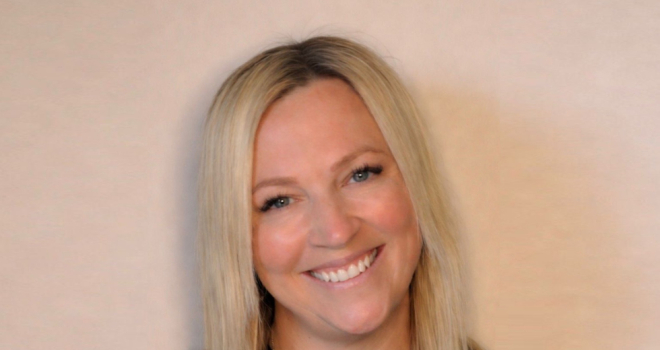
Katherine Stagg, Protection Adviser of the Year at the 2026 Women’s Recognition Awards, believes that protection should be a key part of every mortgage conversation.
Based in Dronfield and Sheffield, Katherine advises clients across South Yorkshire on mortgages and protection. She has around 20 years’ experience in financial services, and in 2024 she set up Stagg Mortgage Services, a family-based practice where Katherine says "protection is part of every client conversation from the outset."
She explains: "Like a lot of advisers, I initially saw protection as something that came after the mortgage had been sorted.
"Over the years, though, you see what happens in real life when circumstances change unexpectedly. That completely changes the way you think about protection. For me, it stopped being an add-on and became one of the most important parts of the advice we give.
"A mortgage helps someone buy their home, but protection can be what enables them and their family to keep it when life doesn’t go to plan."
"When I set up Stagg Mortgage Services in 2024, I wanted protection to be built into the way we work from day one," Katherine continues.
"Being named Protection Adviser of the Year at the Women’s Recognition Awards 2026 meant a huge amount to me personally, because protection is something I genuinely care about and want to keep raising awareness of across our industry."
In her own business, Katherine says that protection is made "part of the mortgage journey from the beginning."
"Every client has a protection conversation, whether they’re buying their first home in Sheffield, moving home, remortgaging in Dronfield or reviewing their existing arrangements.
"Rather than starting with products, we start with the client: Who relies on their income? What sick pay or benefits do they actually have through work? How long could they realistically maintain their mortgage and household bills if they couldn’t work? What would happen financially if either partner died or became seriously ill? Those conversations make protection real.
"I would always rather a client understands their risks and makes an informed decision not to take cover than never be given the opportunity to consider it in the first place."
"We’re also a family-based business and relatively small team, so we get to know our clients and their circumstances properly. I think that trust makes what can sometimes feel like a difficult conversation much more natural," she explains.
Integrating protection and avoiding assumptions
The FCA’s recent Pure Protection Market Study found that of the 58% of people without protection products, 59% have never considered their protection needs. To Katherine, these findings are not a surprise.
"It reflects a lot of what we see every day," she says. "I don’t necessarily believe that people are actively rejecting protection. Often, nobody has helped them properly think about it in the first place.
"People will insure their phone, car, pets and belongings almost automatically, but thinking about what would happen if they couldn’t earn for six or twelve months feels much more remote, until it happens to them or somebody close to them.
"I don't see that as the consumer failing. I see it as an indication that, as an industry, we still have work to do. Every mortgage conversation gives us an opportunity to change that."
A major obstacle that Katherine sees advisers face in this regard is time, noting that "mortgage cases can be demanding and advisers naturally become focused on getting the mortgage through."
Confidence is another difficulty advisers face, with Katherine explaining that even if an adviser is "extremely comfortable discussing mortgages," they may be "less confident discussing illness, death or someone's family circumstances. There can also be a fear of appearing pushy or overly sales-focused."
However, the biggest barrier in Katherine’s view is advisers "making the decision on the client's behalf before we’ve even asked them."
"We shouldn’t presume somebody won’t be interested or can’t afford protection," she says. "Our job is to have the conversation, explain the risks and options properly and allow the client to make an informed decision.
"For most people, their mortgage is going to be one of the biggest financial commitments they ever make. If we’re helping somebody take on that commitment, I think it naturally follows that we should also ask, 'What happens if life doesn’t go to plan?'
"The key is not making protection feel like a completely separate sales conversation at the end."
"Bring it into the fact find from the beginning. Use the client's actual mortgage payments, income and expenditure. Ask straightforward questions such as, 'If you were unable to work for a year, how would you continue paying the mortgage?'
"That is much more meaningful than immediately talking about life cover, critical illness or income protection as products.
"And importantly, follow up. Someone who says 'not now' while they're stressed about getting their mortgage offer may be much more receptive once they've moved into their new home."
Overcoming awkwardness and the power of referrals
Katherine’s biggest piece of advice when it comes to engaging mortgage clients in protection is to "stop thinking of it as a sales conversation."
"You’ve just helped somebody buy or refinance probably their biggest asset," she says. "Talking to them about how they would protect that home and their family is part of looking after them properly. Ask questions and listen.
"If you genuinely understand somebody’s family, employment, finances and concerns, the protection conversation tends to happen naturally.
"Be honest about affordability and realistic about what someone needs. Protection doesn't have to mean covering absolutely everything. Sometimes it's about identifying the biggest risks and working within the client's budget.
"If the client ultimately says no, that’s their decision. What matters is that they were given enough information to make an informed choice.
"Very often, the awkwardness is in the adviser’s head rather than the clients."
Katherine adds that referrals can play a "massive" role in helping more consumers secure protection.
"Not every mortgage adviser is going to feel passionate or confident about protection, and that’s okay. But I don’t think that should mean the conversation doesn't happen. If protection isn't your strength, build a relationship with somebody who specialises in it and refer the client to them.
"The important thing is making it a warm referral. Explain to the client why you’re referring them, why you believe the conversation matters and who they’re going to be speaking to.
"For me, referring someone to the right specialist is far better than avoiding protection altogether or having a half-hearted conversation simply because you feel you should.
"Good referral relationships can also work both ways and ultimately lead to better outcomes for clients."
"Protection conversations really can change lives, and that is why I’m so passionate about what we do," Katherine concludes. "We talk a lot as an industry about the protection gap, but closing that gap can start with something as simple as one adviser having one more conversation with one more client.
"If every mortgage adviser did that consistently, imagine the difference we could make."